


Harnessing Horse Wisdom for Authentic Leadership and Trust Building
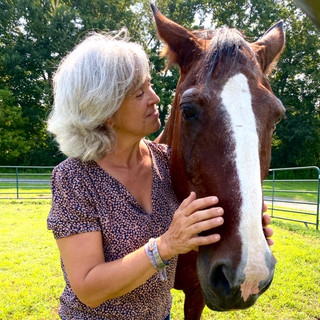
Horses have a unique way of revealing truths about how we communicate and lead. They respond not to titles or words but to the clarity and emotional energy we bring into the moment. When working with horses, many people discover patterns in their communication they hadn’t noticed before. These insights often reflect how they interact with others at work, at home, or in any leadership role. Drawing from lessons in my upcoming book, Ask Like You Mean It, here are nine ways horse wisdom can transform your leadership style and help you build genuine trust.

Notice What Blocks Clear Communication
Horses are experts at spotting mixed signals. If your words say one thing but your body language or emotions say another, they won’t follow you. People behave the same way. This makes it essential to align your message with your presence.
Be aware of your tone and posture
Your body often speaks louder than your words. If you say you’re open to ideas but your arms are crossed and your face is tense, others will pick up on that disconnect.
Stay present and intentional
Horses respond to your energy in the moment. When you lead, focus on being fully present rather than distracted or rushed.
Practice Reflective Listening
Horses teach us to pause and observe before reacting. This skill translates well to human communication.
Listen fully before responding
Instead of planning your reply while someone is talking, slow down and absorb their message.
Reflect back what you heard
This shows you value their perspective and helps avoid misunderstandings.
For example, if a team member expresses concern about a deadline, repeat their concern in your own words before offering solutions. This builds connection and trust.
Pay Attention to Nonverbal Signals
Half of communication is nonverbal. Horses rely heavily on body language, and so do people.
Notice posture, facial expressions, and tone
These cues reveal true feelings and intentions.
Adjust your own nonverbal signals
Open posture and calm tone invite collaboration, while closed or tense signals can create distance.
Check Your Emotional Temperature
Horses won’t approach if your energy is scattered or frustrated. The same applies to people.
Recognize your emotional state before engaging
If you feel overwhelmed or upset, take a moment to breathe and center yourself.
Lead with calm confidence
This creates a safe space where others feel comfortable sharing and contributing.
Be Clear and Consistent
Horses respond best to clear, consistent signals. Mixed messages confuse them and slow progress.
Set clear expectations
Whether in a meeting or at home, state your intentions plainly.
Follow through on commitments
Consistency builds reliability and trust.
Use Intentional Energy to Influence
Horses sense your intention behind every action. Your energy influences how others respond.
Lead with purpose
When your actions align with your values, others feel inspired.
Avoid reactive or defensive energy
This can create resistance and mistrust.
Embrace Vulnerability and Authenticity
Horses don’t respond to pretense. They connect with what’s real.
Show your true self
Admit mistakes and share your challenges openly.
Invite honest feedback
This fosters deeper trust and growth.
Learn from Feedback Reflected Back
Working with horses often reveals personal communication habits.
Notice what the horse’s behavior reflects about you
For example, if a horse resists your direction, it may indicate you are unclear or inconsistent.
Apply these insights to your relationships
Use feedback to improve how you lead and connect.
Build Trust Through Presence and Patience
Trust grows when people feel seen and heard without pressure.
Be patient and give space
Like horses, people need time to process and respond.
Show up consistently
Your steady presence builds a foundation of trust.
Leadership is more than words. It’s about the energy and clarity you bring to every interaction. Horses remind us that authentic connection requires presence, consistency, and emotional awareness. By applying these lessons, you can build stronger relationships, foster trust, and lead with greater impact.


Comments