


Don't Blame the Mirror
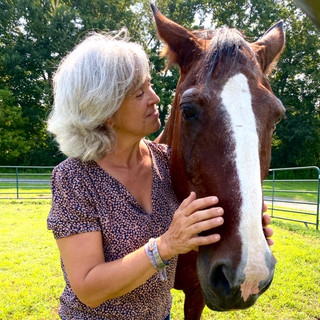
If you don’t like what you see.
This was a very hard lesson for me to learn, and my horse Cisco, was a master teacher.

He was the most beautifully challenging horse. Without him, I wouldn’t have learned the lessons I needed to learn. But at first, I blamed him for everything.
“Bad boy.”
“That’s naughty.”
“Stop misbehaving or else.”
“You’re dangerous.”
“I should get rid of you.”
I said all of it. Somehow, I held on. I got professional help. And slowly, we started working through our problems, which, it turns out, were really my problems. Very humbling.
Blaming the mirror comes naturally to us.
We blame the other person at the end of the argument.
The other driver on the road.
The colleague not pulling their weight.
We can’t change their behavior, but we can look at our own.
Did I contribute to this reaction?
Was I unclear?
Was I inconsistent?
Was I wrong?
When Cisco became aggressive with me, I learned to slow down and ask a different question: What was my part in this? Not to shift the blame to myself, rather to be aware of my contribution to the interaction.

My trainer told me I was giving mixed messages, and Cisco was frustrated. I had no idea. I was so busy blaming him that I couldn’t see what my own actions were reflecting back to me.
It takes practice to stop blaming the mirror, and it is often helpful for someone else who can see clearly to help us out. For me, it was a gorgeous black and white paint who was my biggest challenge and greatest reward.
Reflection
Think of a recent moment where you felt frustrated, defensive, or blamed someone else for how things unfolded.
What might the mirror have been showing you?
Were your words, actions, or energy clear and consistent?
If you changed your approach, even slightly, what might shift?
You don’t need to judge what you see. Just notice it.
From the book
This lesson, and many others like it, are explored more deeply in my book, Ask Like You Mean It: Lessons in Communication from an Unexpected Source, My Horse! (available through Amazon and B&N). Through stories from working with horses, clients, and my own family, I share how clarity, presence, and self-awareness change the way we lead, parent, and relate, without force, blame, or noise.


Comments