


Runaway Horse, Runaway Son
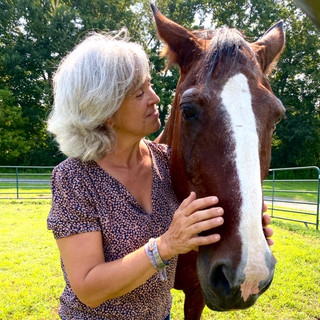

Years ago, before I opened my own farm, I boarded my horses at a barn down the road. There was a young woman there with a mare who never went anywhere without a halter and lead rope, even out in the pasture. When I asked why, she told me the mare kept running away from her. So she’d lure her in with treats, then grab the rope the second she got close enough.
I didn’t say anything. But I remember thinking: that’s not the relationship I want with my horses.
I wanted my horses to want to be with me. So instead of only showing up to ride or to ask something of them, I just started showing up. Some days we rode. Some days I just sat with them, brought treats, gave them a bath, did nothing at all.
A month later, I drove onto the farm and both of my horses came galloping to the gate to greet me. The same young woman was standing there. She was stunned. “Is that a fluke?” she asked. I told her no, they always come to meet me. I never had to chase them down.
She asked how. I told her: I just spent a month showing up for them, not just to ride them.
Her response stuck with me: “That’s too much work.”
A few years later, I was at my kitchen counter with my coffee when I saw my teenage son walking toward the kitchen. The moment he saw me, he stopped, backed up, and tried to quietly disappear.
That’s when it hit me. I was the halter-and-lead-rope owner. I was the one he was running from.
I hadn’t meant to do it. But during his teenage years, every time I saw him, I’d hit him with questions: Did you do your homework? Is your room clean? Did you send in that application? I wasn’t trying to control him. I was worried about him. But to him, I’d become someone who only showed up to check on him or ask something of him. No wonder he was backing out of the room.
The horses had already taught me the fix, I just hadn’t connected the dots yet. Showing up only to ask for something builds resistance. Showing up consistently, without an agenda, builds trust.
So I reversed the dynamic with my son the same way I had with my horses: showed up more, asked less, and let the relationship be about more than checking boxes. It wasn't as easy as it sounds, but little by little I was able to re-gain his trust.
It’s the same lesson whether you’re 1,000 pounds or a teenager who’d rather not talk to you: people, and horses, move toward those who feel safe to be around, not those who only show up to manage them.


Comments